
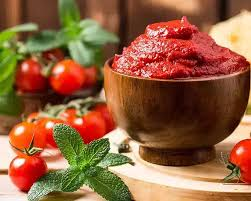
Food processing is closely connected to daily meals, even when consumers do not always notice it. From cooking oil used for frying to tomato paste used in sauces, soups, pizza, and ready meals, many common food products begin as fresh agricultural crops. Before they reach kitchens, restaurants, supermarkets, or food factories, these raw crops must be cleaned, processed, preserved, packed, and distributed.
Palm fruit and tomatoes are two good examples. Palm fruit can be processed into edible oil used in cooking and food manufacturing. Fresh tomatoes can be turned into tomato paste, sauce, puree, ketchup, and other convenient ingredients. Behind these products, food processing equipment helps improve efficiency, food safety, product consistency, and shelf life.
Turning Fresh Crops into Everyday Ingredients
Fresh crops are valuable, but they are also perishable. Palm fruit must be processed quickly after harvesting to maintain oil quality. Tomatoes are soft, high in moisture, and easy to spoil if they are not handled properly. Without processing, a large portion of farm production may be wasted before reaching the market.
Food processing changes this situation. It turns seasonal and perishable crops into stable ingredients that can be stored, transported, and used throughout the year. This supports both household cooking and large-scale food production.
For example, palm oil is used in frying, baking, margarine, instant noodles, snacks, and many processed foods. Tomato paste is used in pasta sauce, canned foods, soups, stews, condiments, and restaurant kitchens. These products make food preparation faster and more consistent.
How Palm Fruit Becomes Cooking Oil
Palm oil production starts with fresh fruit bunches harvested from oil palm trees. The fruits contain oil-rich pulp, which must be processed through several steps. In a typical production process, palm fruit is sterilized, separated from bunches, digested, pressed, clarified, purified, and stored.
Each step affects oil yield and quality. Sterilization helps soften the fruit and reduce enzyme activity. Threshing separates the fruit from the bunch. Digesting breaks down the fruit structure before pressing. Pressing extracts crude palm oil, while clarification removes water, fibers, and impurities.
Modern palm oil machinery helps improve this process by reducing manual labor, increasing extraction efficiency, and supporting more stable production. For farmers, cooperatives, and oil mills, this means better use of raw materials and higher commercial value from palm fruit.
Why Palm Oil Matters in Daily Meals
Palm oil is widely used because it is versatile, stable, and suitable for many cooking and food manufacturing applications. In daily meals, it may be used for stir-frying vegetables, frying snacks, baking food products, or producing packaged foods with longer shelf life.
For food factories, palm oil offers good heat stability and texture performance. This makes it useful in bakery products, instant foods, confectionery, and snack production. For local markets in many regions, palm oil also provides an important source of edible oil and supports agricultural income.
Efficient palm fruit processing helps ensure that consumers and food businesses have a reliable oil supply.
How Tomatoes Become Tomato Paste
Tomatoes are another crop that benefits greatly from processing. Fresh tomatoes have high water content and limited storage life. When processed into paste, their flavor, color, and solids are concentrated, making them easier to store and use.
A tomato paste production line usually includes washing, sorting, crushing, preheating, pulping, evaporation, sterilization, and filling. Washing removes soil and impurities. Sorting removes damaged or unripe tomatoes. Crushing and pulping separate juice and pulp from skin and seeds. Evaporation removes excess water and concentrates the tomato solids.
A tomato processing machine helps factories produce tomato paste with stable texture, color, and concentration. This is important because restaurants and food manufacturers need consistent ingredients for repeatable recipes and product quality.
Tomato Paste in Modern Food Production
Tomato paste is one of the most practical ingredients in modern kitchens. It saves preparation time, reduces waste, and provides strong tomato flavor in a compact form. Instead of washing, cutting, cooking, and reducing fresh tomatoes every time, cooks and manufacturers can use paste as a ready ingredient.
In daily meals, tomato paste is used for pasta, pizza sauce, stews, curries, soups, braised dishes, and meat sauces. In food factories, it is also used for ketchup, canned beans, ready meals, seasoning sauces, and frozen foods.
Because tomato paste is concentrated and packaged, it can be shipped over long distances and stored longer than fresh tomatoes. This helps balance seasonal supply and market demand.
Food Safety and Quality Control
Food processing is not only about convenience. It also supports food safety. Raw crops may carry soil, microorganisms, insects, or foreign materials. Processing equipment helps clean, heat, filter, separate, and package food under controlled conditions.
read more : Why CO₂ Retention Is Important in Carbonated Drink Packaging
For palm oil, clarification and purification help remove unwanted solids and moisture. For tomato paste, heating and sterilization help reduce microbial risks and extend shelf life. Proper packaging also protects products from contamination during storage and transportation.
Good processing systems help producers meet market requirements and build customer trust.
Reducing Waste and Improving Agricultural Value
Processing also helps reduce food waste. When fresh crops cannot be sold immediately, they may spoil and lose value. By processing crops into oil, paste, sauce, or other products, businesses can preserve more of the harvest.
This is especially important during peak harvest seasons when supply is high and fresh market prices may fall. Processing gives farmers and food businesses another way to create value from raw materials.
Conclusion
From palm fruit to tomato paste, food processing plays an important role in daily meals. It turns fresh, perishable crops into useful ingredients that are easier to store, transport, cook, and sell.
Palm oil supports cooking and food manufacturing, while tomato paste adds flavor and convenience to countless dishes. With the help of modern processing equipment, agricultural businesses can improve product quality, reduce waste, extend shelf life, and meet market demand more efficiently.
Food processing may happen behind the scenes, but it supports the meals people eat every day.
