
Despite being one of the most common meals in kitchens worldwide, people often misunderstand the nutritional worth of potatoes. Potatoes are often unfairly seen as an unhealthy food since they are frequently linked to fries, chips, and other highly processed foods. However, in their natural state, potatoes may easily fit into a balanced diet and provide a number of vital elements.
Knowing what potatoes truly contain may help health-conscious consumers distinguish between the nutritional benefits of the vegetable and the impacts of preparation.
More Than Just Carbohydrates
One well-known source of carbs is potatoes. The body uses energy from carbohydrates for daily tasks and physical activity. Potatoes have more to offer, even though this is a significant component of their nutritional composition.
There is very little naturally occurring fat and protein in a medium potato. Dietary fiber is also provided by potatoes, especially when the skin is consumed. Fiber promotes healthy digestion and may help you feel satisfied after eating.
When attempting to cut down on their consumption of processed carbs, many people wonder, “Are potatoes healthy?” It is helpful to keep in mind that highly processed potato products are not the same as whole potatoes. Serving size, cooking techniques, and the other items in the meal all have a significant impact on its total nutritional content.
An Organic Source Of Vital Nutrients
Numerous vitamins and minerals included in potatoes support healthy bodily processes. Potassium is one important mineral that is necessary for healthy muscle and nerve function. Vitamin C, which boosts immunity and protects cells from oxidative damage, may also be found in potatoes.
Another naturally occurring ingredient in potatoes is vitamin B6. It is involved in several bodily functions, including the metabolism of proteins. Other micronutrients that add to the overall nutritional profile of potatoes are also present in lower levels.
When appropriate, leaving the skin on may aid in the retention of certain minerals and fiber. When potatoes are completely cleaned before cooking, both the meat and the peel may be used in a variety of recipes.
The Significance Of Preparation
Depending on how it gets to the plate, a potato’s nutritional value might vary significantly. Potatoes may be prepared rather easily by boiling, baking, steaming, or roasting them with small amounts of additional fat.
In contrast, deep-frying potatoes or coating them with a lot of butter, cream, cheese, or salty sauces may significantly alter the meal’s nutritional makeup. Saturated fat, salt, and calories may rise as a result of these additions.
When thinking about are potatoes healthy to consume on a regular basis, this difference is crucial. It makes more sense to take into account the whole meal and cooking technique rather than evaluating the vegetable solely on popular fried forms.
A Balanced Plate With Potatoes
When paired with other nutrient-dense meals, potatoes may be very effective. A more diverse and filling meal may be produced by combining them with vegetables, legumes, lean meats, or other healthful foods.
Additionally, portion awareness is important. Just because potatoes are filling doesn’t mean they have to take center stage on the platter. While potatoes may still give energy, fiber, vitamins, and minerals, a suitable quantity combined with veggies and protein can provide more nutritional diversity.
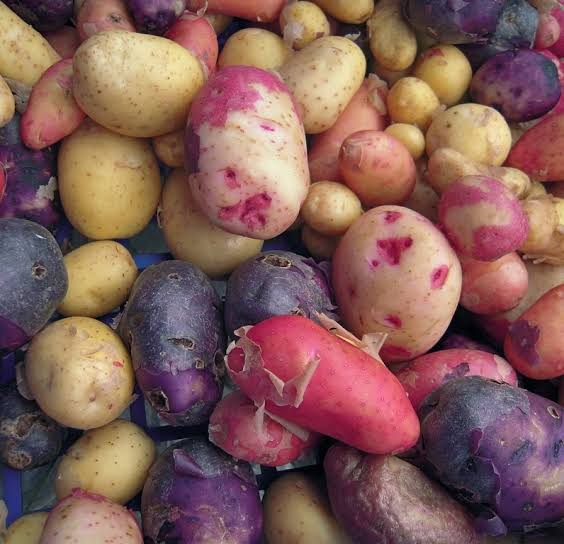
Meals may also be made more interesting by using different types of potatoes. Since the red, white, yellow, purple, and sweet varieties of potatoes have different flavors, textures, and nutritional profiles, there are many ways to cook them without relying on overly processed options.
Recognizing The Greater Nutritional Picture
An eating pattern’s nutritional value is not determined by a single meal. The whole mix of foods, cooking techniques, serving sizes, and eating patterns is much more important. Potatoes serve as an excellent illustration of why items should be seen in their context rather than being labeled as either good or evil.
So, are potatoes healthy for those who are concerned about their health? Potatoes may surely give nutritional value when cooked properly and taken as part of a balanced diet. While fiber, potassium, vitamin C, vitamin B6, and other minerals give nutritional benefits, their carbs supply energy.
Conclusion
Potatoes should be considered more than just a carbohydrate source. A balanced diet may be supported by a number of elements included in their natural nutritional composition. A significant impact may be made by selecting straightforward cooking techniques, considering nutrient-rich toppings, and combining potatoes with a range of other meals. Understanding these fundamental potato nutrition facts will help health-conscious consumers transform a commonplace commodity into a flexible and nourishing component of daily meals.