
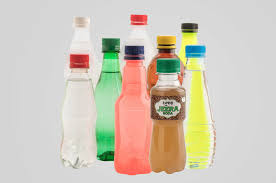
Carbon dioxide is one of the most important elements in carbonated drinks. It creates bubbles, gives the drink a refreshing mouthfeel, supports flavor perception, and helps build the product identity of sparkling water, soda, beer, energy drinks, and other fizzy beverages. If CO₂ is lost during packaging, the drink may taste flat, look less appealing, and fail to meet customer expectations.
For beverage brands, CO₂ retention is not only a taste issue. It is also related to product quality, shelf life, brand reputation, and production efficiency. Good packaging control helps make sure every bottle or can reaches consumers with the right level of carbonation.
CO₂ Defines the Drinking Experience
The first reason CO₂ retention matters is simple: carbonation affects how the drink feels and tastes. A sparkling drink should have a crisp, lively, and refreshing sensation. When the bottle is opened, consumers expect a clear fizzing sound and visible bubbles.
If too much gas escapes before sealing, the drink may become dull. Even if the flavor formula is correct, poor carbonation can make the product seem low quality. For drinks such as soda, sparkling water, flavored seltzer, and carbonated juice, stable CO₂ levels are part of the core product experience.
It Helps Maintain Flavor Balance
CO₂ also influences flavor perception. Carbonation can enhance acidity, balance sweetness, and make fruit or botanical flavors feel brighter. When CO₂ levels drop, the same drink may taste overly sweet, heavy, or weak.
This is especially important for brands that use delicate flavors, low-sugar formulas, or premium ingredients. A product designed to taste light and fresh may lose its character if the carbonation is not properly preserved during packaging.
Packaging Directly Affects CO₂ Loss
CO₂ can escape at different stages of production, including transfer, filling, sealing, and storage. Temperature, pressure, bottle design, filling speed, and sealing quality all influence gas retention.
Warm liquid releases CO₂ more easily than cold liquid. Excessive turbulence during filling can also cause foam and gas loss. Poor sealing may allow slow leakage after packaging. For this reason, carbonated drink production usually requires controlled pressure filling, accurate liquid level control, and reliable cap or lid sealing.
A well-designed carbonated filling machine helps reduce foaming, control pressure, and protect carbonation during the packaging process.
Better CO₂ Retention Supports Shelf Life
Carbonated beverages may sit in storage, distribution centers, retail shelves, or vending machines before reaching consumers. During this time, the product needs to keep a stable level of carbonation.
If the package cannot hold pressure properly, CO₂ may gradually escape. This can reduce product freshness and shorten the practical shelf life. Good CO₂ retention helps maintain a consistent drinking experience from the factory to the final customer.
For brands selling through supermarkets, convenience stores, restaurants, or online channels, this consistency is important. Customers may buy the product weeks or months after production, but they still expect it to taste fresh.
It Reduces Product Waste and Complaints
Poor carbonation control can lead to quality problems. Bottles may be under-carbonated, over-foamed, unevenly filled, or poorly sealed. These issues can cause product rejection, customer complaints, and unnecessary waste.
For beverage manufacturers, waste is not only about lost liquid. It also includes bottles, caps, labels, cartons, labor, energy, and transportation costs. Improving CO₂ retention helps reduce rework and makes production more stable.
Container Choice Also Matters
Different packaging materials have different gas barrier properties. Glass bottles usually provide excellent CO₂ retention. Aluminum cans also perform well when properly sealed. PET bottles are lightweight and popular, but their CO₂ barrier performance depends on bottle thickness, material quality, and storage conditions.
For carbonated drinks, packaging design should match the required shelf life, product positioning, and sales channel. A low-cost bottle may reduce packaging expense, but if it causes gas loss too quickly, it can hurt the customer experience.
Production Efficiency and Quality Must Work Together
Many beverage producers want higher output, but speed should not damage product quality. In carbonated drink packaging, filling too aggressively can increase foam and CO₂ loss. The best production setup should balance speed, pressure control, filling accuracy, and sealing reliability.
For some beverage lines, a 3-in-1 filling machine can help simplify production by combining rinsing, filling, and capping in one integrated system.
Final Thoughts
CO₂ retention is essential for carbonated drink packaging because it protects taste, freshness, appearance, and consumer satisfaction. Good carbonation control helps beverages stay crisp, balanced, and enjoyable throughout storage and distribution.
For beverage brands, investing in proper packaging materials, controlled filling processes, and reliable sealing systems is not just a technical decision. It is a quality decision that directly affects how customers experience the product.